 Volt Golf
7 Tips to Fix Your Golf Cart Losing Power Uphill?
Golf carts are popular for various uses, but many owners face a common issue: why is my golf cart losing power uphill? This frustrating problem can disrupt your game or leisure activities. Understanding the reasons behind power loss when climbing a slope is crucial for every golf cart user.
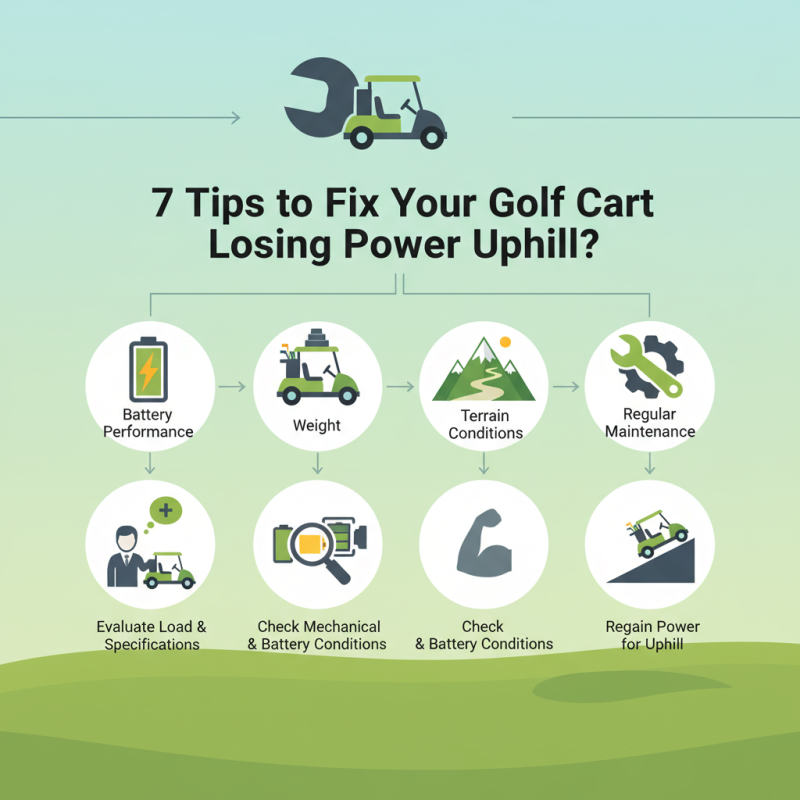
Imagine cruising smoothly on flat terrain, only to struggle when faced with an incline. Factors affecting power can include battery performance, weight load, and terrain conditions. Each of these aspects plays a vital role in how your cart performs. Regular maintenance often goes overlooked, leading to challenges in power delivery.
Finding a solution may require thoughtful reflection. Consider the load you carry and your cart’s specifications. It’s essential to evaluate both mechanical and battery conditions. By doing so, you can regain the power you need for those uphill journeys. Knowing what to look for empowers you as a golf cart owner.
Identifying Common Causes of Power Loss in Golf Carts
When a golf cart loses power while going uphill, it can be frustrating. There are several common causes of this issue. One major factor is the battery's condition. If it's old or poorly charged, you may notice a significant drop in power. Regularly checking the battery voltage can help you catch problems early.
Another important aspect is the motor's health. Overheating or wear and tear can reduce efficiency. Cleaning the motor and ensuring proper lubrication can make a difference. Additionally, a faulty controller can hinder performance. If the controller is malfunctioning, the cart won't respond well to acceleration.
The weight carried by the cart is also crucial. Carrying too much weight can strain the system, leading to power loss. Evaluate what you are transporting, and consider removing excess items. Lastly, tire pressure matters. Low tire pressure increases resistance, making it hard for the cart to climb inclines. Regular maintenance and checks can help tackle these issues effectively.
7 Tips to Fix Your Golf Cart Losing Power Uphill - Identifying Common Causes of Power Loss in Golf Carts
| Issue | Description | Suggested Solution |
|---|---|---|
| Battery Age | Old or weak batteries can cause insufficient power during uphill rides. | Replace batteries that are older than 4-5 years. |
| Battery Connections | Loose or corroded battery connections can hinder performance. | Check and clean battery terminals regularly; tighten loose connections. |
| Motor Issues | A malfunctioning motor may struggle to provide enough power. | Have the motor inspected by a professional for repairs or replacement. |
| Weight Load | Excessive weight can affect the cart's ability to ascend hills. | Reduce load or distribute weight better in the cart. |
| Tire Pressure | Low tire pressure can increase rolling resistance. | Regularly check and maintain appropriate tire pressure. |
| Electrical System | Faulty wiring or components can lead to power loss. | Inspect the electrical system and repair any damaged wires or components. |
| Controller Issues | A malfunctioning speed controller may not provide adequate power. | Consider replacing the controller if it is not functioning properly. |
FAQS
: Check the voltage and capacity. Ideal voltage is between 36 to 48 volts.
Conduct a load test to assess battery performance under load.
Battery performance can decline by up to 20% after two years of use.
Keep terminals clean and free from corrosion. This prevents power loss.
Consider replacing batteries older than three years for better power.
Check battery connections, cables, and wiring for wear or damage.
It prevents power drop during climbs, especially with low charges.
Upgrade the motor and controller for improved power delivery.
A balanced cart climbs better; removing unnecessary weight can help.
Look for performance drops or electrical issues. Regular checks can catch problems early.
Conclusion
If you find yourself asking "why is my golf cart losing power uphill," there are several factors to consider. First, it's crucial to identify common causes of power loss, such as battery health and performance, as degraded batteries can severely impact uphill driving. Regular inspection and maintenance of electrical components are vital to ensure optimal function; even a small issue can lead to significant power loss.
Additionally, understanding weight distribution and load factors is important, as overloading the cart can hinder its ability to climb inclines. Finally, exploring upgrades can enhance your golf cart's power and performance on hills. By addressing these aspects, you can improve your golf cart's uphill performance and enjoy a smoother ride.
