Winter poses unique challenges for golf cart owners. Understanding how to maintain golf cart batteries in winter is crucial for longevity and performance. Cold temperatures can significantly affect battery efficiency and capacity. Without proper care, batteries may fail, leaving you stranded when the season changes.
Each winter, many golfers neglect their carts. They assume that since the cart is not in use, the batteries will remain fine. Therefore, regular maintenance is key. Checking the charge level and keeping terminals clean are critical steps. Consider using a battery maintainer, which can help regulate the charge during the colder months.
Additionally, indoor storage can protect batteries from freezing temperatures. If indoor storage is not available, use battery blankets for insulation. Poor maintenance may lead to sulfation, causing irreversible damage. Awareness and proactive care can make all the difference. By taking these steps, you ensure your golf cart batteries remain in good condition throughout winter.
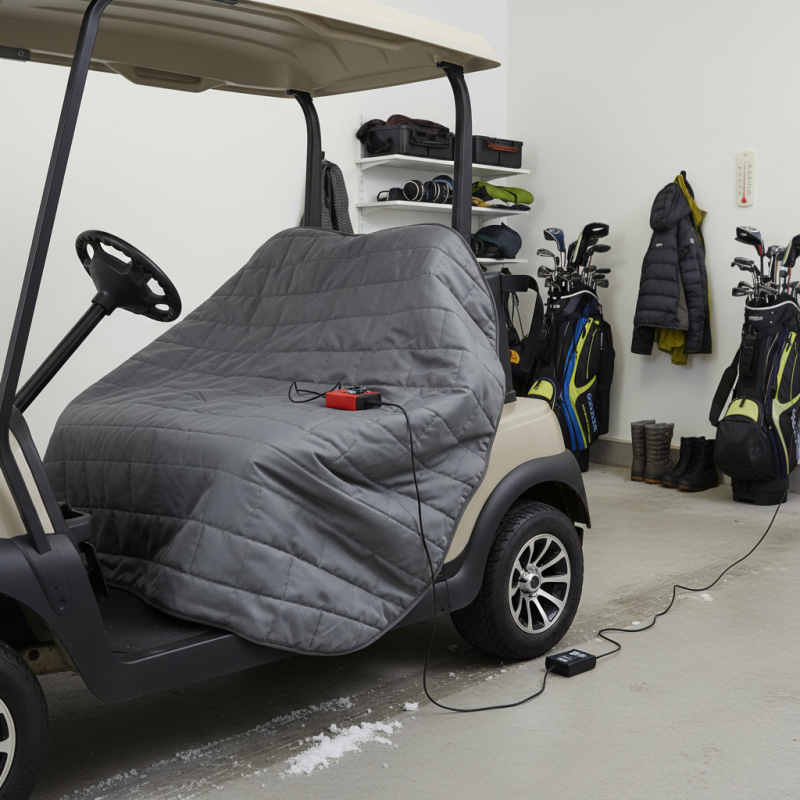
Maintaining golf cart batteries during winter months is essential for their longevity. These batteries require specific care to ensure optimum performance. Cold temperatures can reduce battery capacity and lifespan. Therefore, understanding the unique needs of batteries in winter is vital.
Regularly checking the battery's water levels is necessary. A low water level can lead to damage. It’s advisable to use distilled water to refill the cells. Additionally, keep terminals clean and free from corrosion. This will help in efficient charging and prevent potential issues.
Storing your golf cart in a dry, insulated area can also make a significant impact. If possible, connect it to a smart charger designed for winter conditions. This practice not only maintains battery health but also ensures that you’re ready to go when spring arrives. Always monitor battery performance, as not all batteries respond the same way to cold weather. It’s a learning process.
As winter settles in, proper storage of golf cart batteries becomes crucial for longevity. A recent study from the Battery University highlights that unmaintained lead-acid batteries can lose up to 30% of their capacity over winter months. Before you store your cart, ensure the batteries are fully charged. A full charge helps prevent sulfation, a common issue during cold months.
Additionally, clean the battery terminals and connections. Corrosion can hinder performance and lead to premature failure. Using a mixture of baking soda and water can effectively remove any build-up. Also, remember to check fluid levels regularly. Water, when frozen, can expand and damage the battery. If the electrolyte level is low, distilled water should be added cautiously. These small yet significant steps can make a substantial difference in battery performance come spring.
Choosing the right environment is also vital. Store the cart in a temperature-controlled area, ideally above freezing. Sudden temperature drops can cause internal damage to the batteries. A safe, insulated space will protect your investment. Keep in mind that routine checks throughout winter can catch potential problems early. An ounce of prevention now can save valuable time and money when you’re ready to hit the course next season.
Charging golf cart batteries in winter requires careful planning. Cold temperatures can reduce battery efficiency. Reports show that batteries can lose up to 30% of their capacity at freezing temperatures. Thus, proper charging practices are essential to maintain battery health.
When charging, ensure the batteries are fully charged before storing them. Leaving them partially charged can lead to sulfation, which can damage the battery. Experts recommend using a smart charger that detects when a battery is fully charged and switches to maintenance mode. This can prevent overcharging and prolong battery life.
Additionally, check the battery fluid levels regularly. Extreme cold can cause electrolyte levels to drop. If necessary, add distilled water to maintain optimal levels. Keeping the battery clean is also crucial. Dirt and corrosion can impact performance, especially in winter months. It’s easy to overlook these details, but they are vital for ensuring your golf cart is ready for spring.
Maintaining the fluid levels in golf cart batteries during winter is crucial for their longevity. Cold temperatures can lead to battery fluid freezing and potential damage. Reports indicate that lead-acid batteries lose about 20% of their capacity at 32°F. Therefore, regular monitoring is essential.
Check the electrolyte levels monthly. If they drop below the recommended level, add distilled water to prevent deterioration. Maintaining the correct fluid level can extend battery life significantly. Research shows that properly maintained batteries can last up to 30% longer than neglected ones. Avoid overfilling—this can cause spillage and corrosion.
Temperature fluctuations can cause evaporation and acid stratification. If your batteries are exposed to extreme cold, consider a battery blanket for insulation. Remember, neglecting to maintain battery fluids could lead to costly replacements. Investing time in this simple task can yield significant benefits.
| Maintenance Task | Recommended Frequency | Tools Needed | Notes |
|---|---|---|---|
| Check Fluid Levels | Monthly | Hydrometer, Distilled Water | Maintain fluid at recommended level to prevent sulfation. |
| Clean Battery Terminals | Bi-Monthly | Wire Brush, Baking Soda Solution | Prevent corrosion which can affect performance. |
| Charge Batteries | Every 3 Weeks | Battery Charger | Keep batteries fully charged to avoid freezing. |
| Store in a Dry Place | Before Winter | None | Minimize exposure to cold and moisture. |
| Inspect for Damage | Monthly | Visual Inspection | Look for cracks or leaks in batteries. |
Winter can be tough on golf cart batteries. Proper maintenance ensures they remain in good condition until spring. Research shows that unmaintained batteries can lose about 30% of their capacity in cold months. Following specific tips can help preserve their life.
One essential tip is to fully charge your batteries before winter storage. A partially charged battery is more prone to sulfation, which can damage it in cold conditions. Keep the batteries clean and free of corrosion. A mix of baking soda and water can effectively clean terminals and connections.
Another important aspect is to store your golf cart in a temperature-controlled environment. Extreme temperatures can lead to electrolyte loss. Use a battery maintainer to keep the charge stable. This not only prolongs battery life but also ensures they're ready for use in warmer months. Regularly check the water levels, topping off with distilled water when necessary.
: Cold temperatures can reduce battery efficiency. Batteries may lose up to 30% of their capacity at freezing temperatures.
A partially charged battery is more likely to suffer from sulfation, which can damage it over time.
A smart charger is ideal. It detects full charge and switches to maintenance mode to prevent overcharging.
Battery fluid levels should be checked monthly to prevent freezing and potential damage.
If levels drop, add distilled water to maintain optimal electrolyte levels and prevent deterioration.
Dirt and corrosion can negatively impact battery performance, especially during cold months.
Consider using a battery blanket for insulation to protect against extreme cold.
Regular maintenance, including fluid checks and keeping batteries clean, can extend battery life significantly.
Neglecting fluid levels can lead to costly replacements and reduced battery life.
Store the cart in a temperature-controlled environment to avoid extreme temperatures and electrolyte loss.
In winter months, it is essential to understand how to maintain golf cart batteries to ensure their longevity and reliability. Proper preparation is key, which involves cleaning terminals, checking for damages, and ensuring the batteries are fully charged before storage. Maintaining optimal charging practices during winter is also crucial; frequent, careful charging can help prevent battery degradation. Additionally, monitoring battery fluid levels is essential to avoid freezing, which can cause irreparable damage.
For long-term battery storage until spring, it's advisable to store the batteries in a cool, dry place and use a trickle charger if possible. Regular checks during the winter months can prevent unexpected issues when the season changes. By following these best practices on how to maintain golf cart batteries in winter, owners can ensure their batteries remain in good condition and are ready for use come spring.

Volt Golf